A 1930s semi-detached house is often well suited to a loft conversion, but suitability depends more on roof shape and height than age alone.
Most 1930s semis were built with traditional cut timber roofs and a relatively steep pitch. That structure is generally easier to adapt than modern trussed roofs. The key difference is whether the house has a hipped roof or a gable end.
A hipped roof slopes down at the sides, reducing usable loft width and often requiring structural alterations to unlock the full space. A gable end already provides full width, making layout simpler from the start.
Ridge height is the second critical factor. Ideally, you want about 2.2 metres from the top of the existing ceiling joists to the underside of the ridge beam. This allows for a new floor structure, insulation and compliant ceiling height.
Below roughly 2.1 metres, the project becomes more complex. Lowering ceilings below or accepting tighter headroom may need to be considered.
A 1930s semi loft conversion is less straightforward, where:
Low head height is the most common limitation. Before progressing, check:
If most answers are favourable, a loft conversion is usually viable in principle. The next step is choosing the right type of conversion for your roof shape and layout.

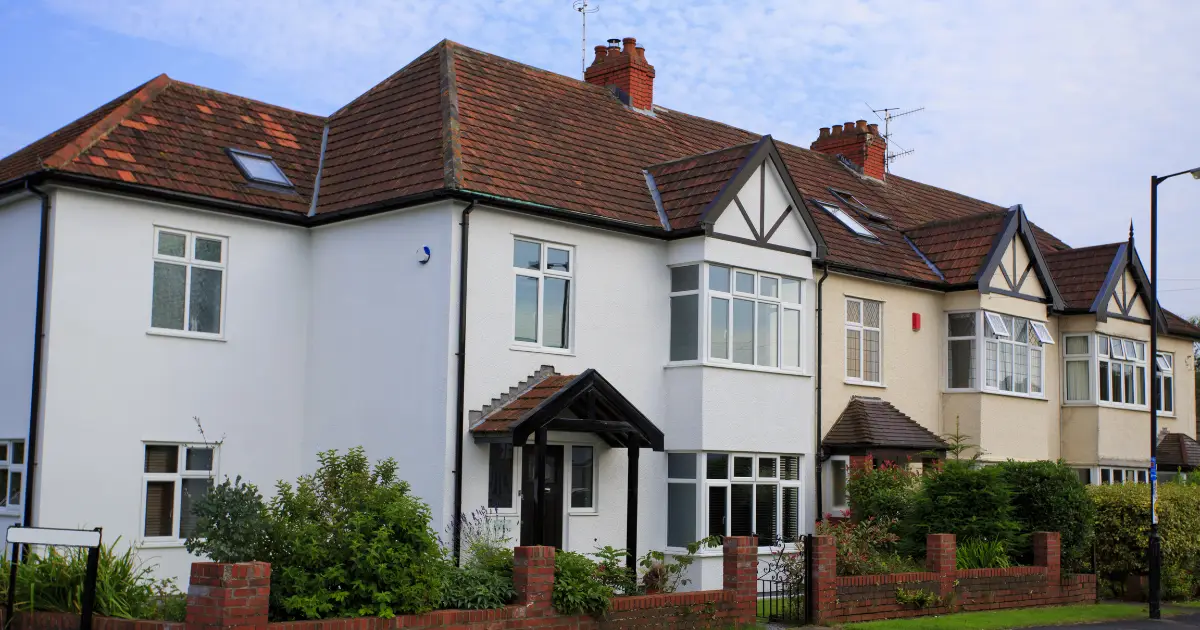
Most 1930s semi-detached houses were built with a hipped roof. That roof shape narrows the loft at one side and limits usable floor space.
To create a proper bedroom and bathroom, most homeowners take one of two approaches: a hip-to-gable conversion or a rear dormer. In many cases, the most practical design combines both. The right choice depends on three things: head height, the existing layout, and the budget.
A hip to gable loft conversion changes the shape of the roof at the side of the house. The sloping hip is built up vertically to form a new gable wall. This creates full-width internal space across the loft.
It suits 1930s semis particularly well because so many were built with hipped roofs. Without this alteration, the usable floor area can feel tight and awkward. Extending the hip opens up the layout and makes room for a proper staircase position.
Structurally, this involves rebuilding the side roof slope and installing structural steel to support new loads, forming a new external gable wall.
In planning terms, a hip-to-gable often falls outside the scope of simple roof alterations. While many are still approved, they are more likely to require a full planning application, especially where the change is visible from the street.
As a broad guide, a hip-to-gable conversion typically starts from around £60,000 when combined with a rear dormer. Costs vary depending on finish level and structural complexity.

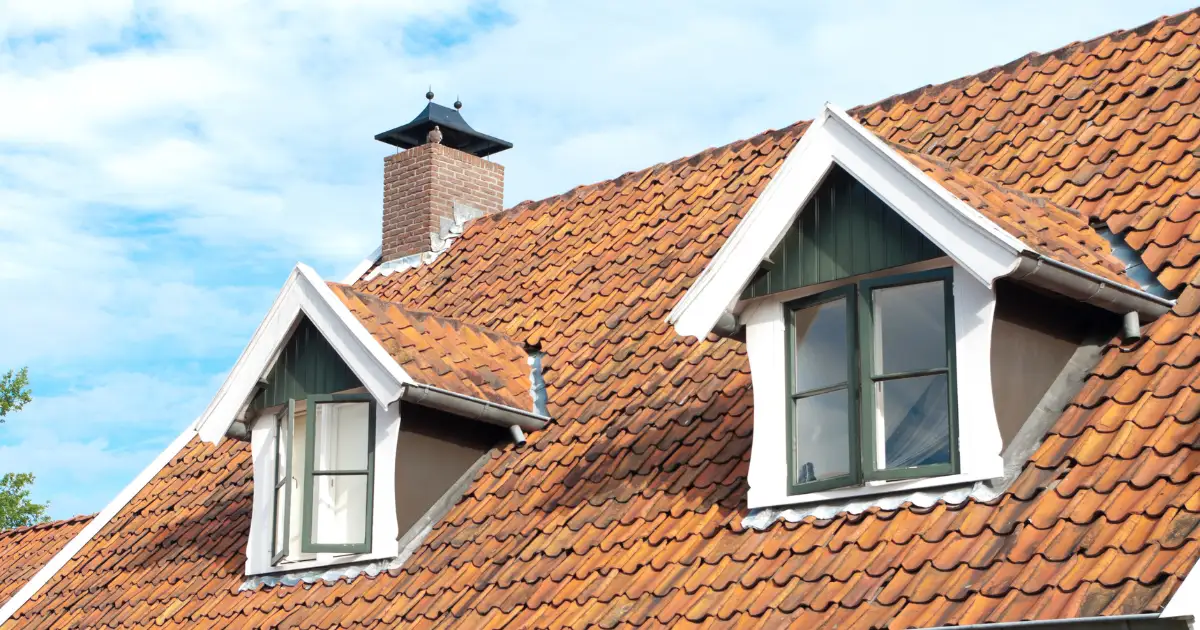
A rear dormer loft conversion extends vertically from the back slope of the roof. It creates full headroom over part of the new room, making the space feel far less restricted.
For many 1930s semis, a rear dormer is the element that turns a cramped loft into a usable bedroom with space for storage and often an ensuite.
In many areas, a rear dormer can fall within permitted development, provided volume limits and height rules are respected. This depends on location and whether previous extensions have already used up the allowance.
A dormer adds:
From the outside, rear dormers are visible from the garden but usually have a limited impact on the street scene.

A 1930s semi-loft conversion in 2026 will usually cost between £45,000 and £80,000+. The final figure depends on the type of loft conversion and the amount of structural work involved.
Roof shape, available head height and the level of finish all influence the cost. If the design requires rebuilding part of the roof or adding significant steel support, the budget will sit at the higher end. The figures below reflect typical UK market ranges for a standard specification, not high-end finishes.
Most 1930s semis with a hipped roof fall into the middle category when aiming for a full bedroom and ensuite.
Most 1930s semi loft conversions aim to create a fourth bedroom, often with an ensuite. While the overall goal is similar in most homes, the final floor plan is shaped by stair position, plumbing routes, chimney stacks and the type of dormer used. These factors determine how much usable space you gain and how naturally the new room integrates with the existing layout.

In most 1930s semis, the ensuite is positioned towards the rear of the loft, close to existing soil stacks. This keeps pipe runs shorter and reduces cost and complexity.
Many of these houses have the main bathroom above the kitchen at the back. Placing the new ensuite above or near that location simplifies drainage and ventilation. It also reduces the need for extensive pipe boxing within the new bedroom.
If a chimney breast runs through the centre of the loft, it may limit where the bathroom can realistically sit. In some layouts, the chimney becomes a natural divider between the bedroom and the ensuite.

Stair position has the greatest influence on the loft layout.
The most efficient solution is usually to position the new stair directly above the existing staircase. This maintains a clear vertical route through the house and protects the two main bedrooms from major alteration.
If that alignment is not possible, space is often taken from bedroom three. This may involve narrowing the room slightly, adjusting door positions or reshaping the landing.
The compromise must be deliberate. Bedroom three should remain usable rather than becoming an awkward leftover space. In most well-designed conversions, the stair is resolved first, with the bedroom arranged around it.
Many 1930s semis have central chimney stacks extending into the loft. These can interrupt floor plans and restrict furniture placement.
Designers often work around the chimney by building storage into the eaves on either side or using the stack to separate the bedroom from the ensuite area. In some cases, partial chimney removal is considered, but this introduces structural steel and party wall implications.
Retaining the chimney is often simpler, provided the layout accommodates it properly.
The type of dormer affects how much usable floor area you gain.
A rear box dormer creates full headroom across the back slope of the roof. In a typical 1930s semi, this usually provides enough space for one double bedroom and a compact ensuite.
An L-shaped dormer is only possible where the house has an existing rear addition. It extends over both the main roof and the back extension, creating significantly more internal space. This can allow for a larger bedroom or a more generous bathroom layout.
Not every 1930s semi can support an L-shaped dormer. The existing rear roof structure and extension footprint determine whether this option is viable.
In many cases, no. A 1930s semi-loft conversion can often be built under permitted development, but it depends on the design, the amount of roof space added, and where the property is located.
Most semi-detached houses benefit from permitted development rights, which allow certain roof enlargements without a full planning application.
For a 1930s semi, this usually means the conversion must stay within a maximum additional roof volume of 50 cubic metres, must not extend beyond the front roof slope, and must not rise above the existing ridge height. Materials must also be similar in appearance to the existing house.
If those conditions are met, formal planning permission may not be required.
However, many homeowners apply for a Lawful Development Certificate to obtain written confirmation that the project complies.
Hip to gable conversions can still fall within permitted development, provided the total roof enlargement remains within the 50 cubic metre allowance.
Because a hip to gable changes the roof's side profile, it can attract closer scrutiny, particularly if the side elevation faces a highway. The more visible the alteration, the more likely the local authority is to assess it carefully.
If the design exceeds volume limits or significantly alters the building’s external appearance, a full planning application will usually be required.
The 50 cubic metre allowance applies to the total additional roof space created. This includes rear dormers, hip to gable extensions, and any previous loft enlargements carried out on the property.
If earlier extensions have already used part of that allowance, the remaining permitted development capacity may be reduced. This is often overlooked, particularly in houses that have been altered before.
If the property sits within a conservation area or is subject to an Article 4 direction, permitted development rights may be restricted or removed altogether.
In these cases, even a modest rear dormer may require planning permission. Councils are generally more sensitive to roof alterations that affect the character of older housing stock, including 1930s streets.
It is always sensible to confirm your planning status with the local authority before commissioning detailed drawings.
Planning permission and party wall matters are separate. Because a 1930s semi shares a wall with a neighbour, most loft conversions will require a party wall agreement under the Party Wall Act.
This is usually triggered when:
Neighbours do not approve of the design itself, but they must be formally notified. If they dissent, a survey process is required.
Most 1930s semis are structurally robust. Solid brick walls and traditional timber roofs usually provide a good base for a loft conversion.
That said, age brings certain technical considerations. These do not stop a project, but they can affect cost, programme and specification. Identifying them early avoids surprises once work begins.
Below are the most common structural and technical issues to check in a 1930s semi loft conversion.
None of these issues is unusual. They are part of working with older housing stock. The key is to assess them before finalising budgets, rather than discovering them mid-build. A thorough structural survey and detailed drawings will identify most of these technical constraints at the design stage.
These are the most common questions homeowners ask before starting a 1930s semi loft conversion. The answers below summarise key points covered earlier in the guide.
In many cases, yes. Most 1930s semis can be converted under permitted development if the design stays within volume limits and does not extend beyond the front roof slope.
Hip to gable and rear dormers can still qualify, but total added roof volume must remain within the 50 cubic metre allowance for a semi-detached house. Always confirm with your local authority, especially if you live in a conservation area.
It depends on your priorities as a loft conversion usually:
A side extension may offer more flexible ground floor space but often requires planning permission and reduces the external area. For many 1930s semis, a loft conversion is the more cost-efficient way to add an extra bedroom.
Most structural work takes place through the roof in the early stages. This limits disruption downstairs initially. However, once the new staircase is installed, access to the first floor is opened. At that point, dust and noise increase. Disruption lasts 8-12 weeks, depending on complexity.
From design to completion, allow:
Weather and structural complexity can extend this.
In stronger markets, loft conversions are often reported to add around 15-20% to property value. However, this depends on location and local ceiling prices. Over-improving beyond what the street supports can limit return.
Read our full guide on how much a loft conversions adds in value.
There is no fixed legal minimum, but around 2.2 metres from ceiling joists to the ridge is widely considered a workable starting point. Below that, the project may require lowering ceilings or more complex structural changes.