What is a dormer loft conversion?

A dormer loft conversion involves extending part of your existing roof to create more usable space inside the loft. It adds a vertical structure to the roof, replacing a section of the sloping roof with straight walls and a flat or gently sloped roof. The result is increased headroom and a larger, more practical floor area.

In simple terms, a dormer changes the shape of your roof to make the loft feel more like a normal room, rather than a cramped attic space.

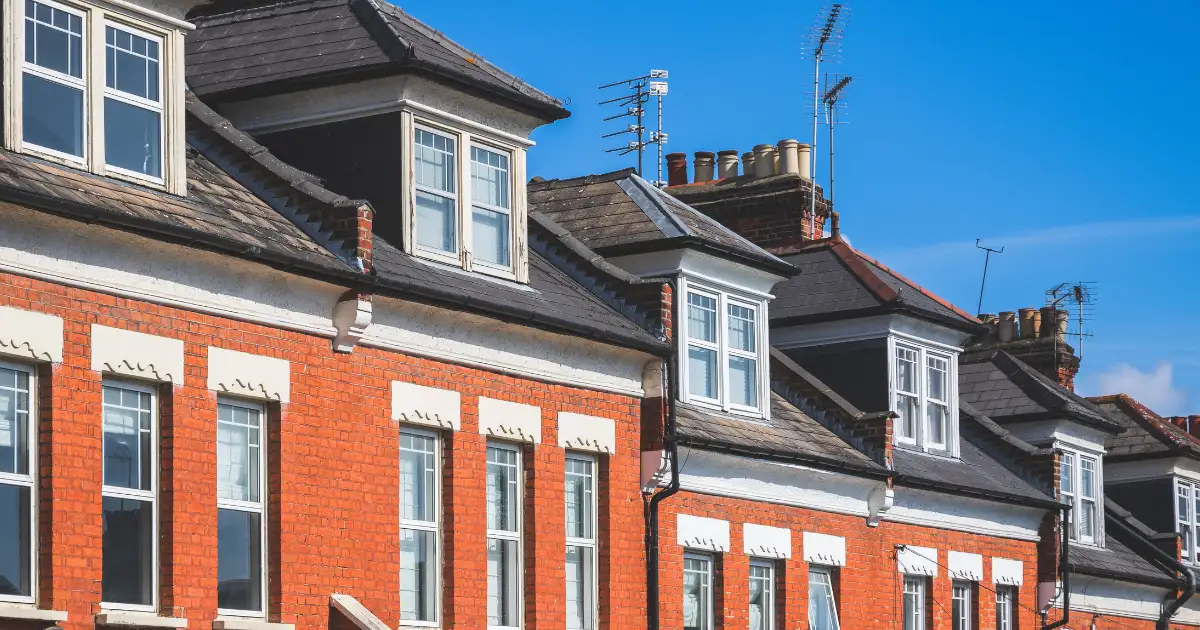
Dormer loft conversions are common on terraced, semi-detached, and detached houses. They are especially popular where the original roof pitch limits head height or usable space.

It’s worth distinguishing dormer conversions from rooflight loft conversions. A rooflight conversion preserves the existing roof shape and adds only windows, relying on the loft’s current head height. A dormer conversion physically extends the roof, which is why it delivers significantly more space and flexibility.

Below, we break down the different types of dormer loft conversions, when each one works best, and what homeowners should consider before choosing one.

How dormer loft conversions work

A dormer loft conversion involves converting part of the existing roof to provide proper head height and usable floor space in the loft. Instead of working around the sloping roof, a dormer extends outward, forming vertical walls that allow the space to function like a real room.

While the design and size vary by property, most dormer loft conversions follow the same core process.

  • Opening the roof structure: A portion of the existing roof is removed to create space for the dormer. This is carefully planned to ensure the remaining roof remains stable while the new structure is formed.
  • Strengthening the loft floor: The original ceiling joists are not designed for everyday use. New floor joists are installed to support the weight of the room, furniture and occupants above.
  • Building the dormer: The dormer itself is constructed from the roof opening, creating vertical walls and a new roof section. This step provides the extra headroom and floor space that make the conversion practical.
  • Internal fit-out: Once the structure is weatherproof, the inside is finished. Insulation, stair access and internal layouts are completed to turn the loft into a usable living space.

Types of dormer loft conversions

Dormer loft conversions come in several forms, each suited to different property types, roof layouts and planning contexts. The right option depends on where the dormer sits, how visible it is, and how much usable loft space you need.

Below are the most common dormer types used in loft conversions, with clear guidance on where each works best and what to consider before choosing.

Rear dormer loft conversions

Internal of a rear dormer

Rear dormers are the most common type of dormer loft conversion in the UK. They extend from the rear roof slope, creating vertical walls and full head height without altering the property's appearance from the street.

This makes them particularly well suited to terraced and semi-detached houses, where minimising visual impact is important.

Things to consider:

  • Usually positioned on the rear roof slope, away from public view
  • Often accepted under permitted development if size limits are met
  • Creates strong, practical layouts for bedrooms and en suites

For many homeowners, a rear dormer offers the best balance between space gained and planning simplicity.

Side dormer loft conversions

Side dormer loft conversion

Side dormers are built on the side roof slope and are most commonly used on end-terrace or detached properties where the side elevation is not shared.

Because they are more visible than rear dormers, they tend to receive closer planning scrutiny, particularly in conservation areas or on prominent plots.

Things to consider:

  • Best suited to end-terrace and detached homes
  • Greater visual impact than rear dormers
  • Planning permission is more likely to be required

Side dormers can work well where space allows, but their design and placement require careful consideration to avoid overly dominant roof changes.

L-shaped dormer loft conversions

L-Shaped Dormer

L-shaped dormers are strongly associated with Victorian housing stock. They take advantage of the typical rear outrigger found on many Victorian terraces by extending across both the main rear roof and the outrigger roof, forming an “L” shape.

This design delivers one of the largest possible dormer floor areas without altering the front roof slope.

Things to consider:

  • Common on Victorian and Edwardian terraces
  • Uses both the main roof and rear outrigger
  • Maximises usable floor space and layout flexibility

If your property has a rear outrigger and you want the most space from the loft, an L-shaped dormer is often the most effective option.

Flat-roof vs pitched-roof dormers

dormer loft conversion

Dormers can be built with either a flat roof or a pitched roof, and the choice affects both appearance and internal space rather than function.

Flat-roof dormers are more common, as they maximise headroom and usable floor area. Pitched-roof dormers reduce internal space slightly but can appear more traditional and may be preferred in sensitive planning contexts.

Things to consider:

  • Flat roofs maximise headroom and layout efficiency
  • Pitched roofs can appear more sympathetic on period homes
  • Some planners favour pitched designs in conservation areas

The best choice usually depends on the planning context and the relative importance of internal space versus external appearance.

Check out some of our specialist dormer loft conversion ideas to give you the inspiration for you dream conversion.

Which homes are best suited to dormer loft conversions?

Dormer loft conversions work well across many property types, but some homes are naturally better suited due to their roof shape, layout and structure. Below is a clear overview of where dormers perform best and what to be aware of.

  • Terraced houses: These are among the most common types of homes for dormer loft conversions. Rear dormers are particularly effective with terraced conversions, as they sit away from the street and can often be built without altering the front roof slope. Head height and previous extensions are the main factors to check.
  • Victorian and Edwardian homes: Period properties from this era are especially well suited to dormers. Victorian homes and their steep roof pitches and, in many cases, rear outrigger layouts allow for rear or L-shaped dormer conversions that create generous, practical living space.
  • Semi-detached houses: Semi-detached homes often offer more design flexibility than terraces, with good scope for rear dormers and, in some cases, side dormers. Shared walls mean party wall matters usually apply, but structurally, these homes are strong candidates.
  • Detached houses: Detached properties can accommodate a wider range of dormer designs, including rear, side and more complex layouts. Visual impact becomes more important, but the absence of shared walls often simplifies construction.
  • Bungalows: Dormer conversions are possible, but suitability depends heavily on roof height and structure. Some bungalows lack sufficient pitch or ridge height, which may require additional structural work to create usable space.

Planning permission and building regulations for dormer loft conversions

Many dormer loft conversions can be built under permitted development, meaning full planning permission is not always required. This is most common for rear dormer conversions, where the work is kept to the back of the property and within defined limits.

That said, dormers sit closer to planning boundaries than rooflight conversions, so it’s important to understand when permission is needed and when additional checks apply. In general, planning permission is less likely to be required if:

  • The dormer is built to the rear roof slope
  • The design does not alter the front roof plane facing the street
  • Materials closely match the existing house
  • The property is not in a restricted area

And planning permission is more likely to be required if:

Rear dormers are generally viewed more favourably because they minimise street-level visual impact. Side dormers can be more sensitive and are assessed more closely, even where permitted development may still apply.

If there is any uncertainty, many homeowners apply for a Certificate of Lawfulness to confirm the dormer is permitted before building, avoiding issues later when selling or remortgaging.

Building regulations and structural requirements

Regardless of whether planning permission is needed, all dormer loft conversions must comply with Building Regulations. These rules focus on safety, structure and energy performance, and they are especially important in older homes. Key areas that apply to dormer conversions include:

Building regulation area What it means for a dormer loft conversion
Fire safety Dormers create a new habitable space, often forming an additional storey. This requires compliant escape routes, fire-resistant doors to rooms off the stairwell, and interlinked smoke alarms on every level of the house.
Structural support and steelwork Existing ceiling joists are rarely strong enough to support a dormer conversion. New floor structures and steel beams are typically installed to safely carry the additional load.
Insulation and soundproofing Dormer walls, roof slopes and floors must be insulated to modern standards. In terraced and semi-detached homes, sound insulation is also required to reduce noise transfer through party walls and floors.
Staircase compliance A permanent staircase is required to access the loft. This must meet regulations on pitch, width and headroom, and be positioned so the protected escape route is maintained.

How much space can a dormer loft conversion add?

A dormer loft conversion is designed to turn previously awkward roof space into a fully usable living area. Extending the roof vertically removes sloping ceilings and provides proper head height across much more of the loft.

In most homes, a dormer conversion can add:

  • 20 to 30 square metres of usable floor space, depending on the property and dormer type
  • Enough room for a full-sized bedroom, often with space left for an en-suite bathroom or built-in storage
  • Improved ceiling height across the centre and rear of the loft, making the space feel like a normal floor rather than an attic

The main difference a dormer makes is how usable the space becomes. Areas that were once too low to stand in turn into bright, practical rooms you can use every day.

Because dormer conversions provide proper headroom and clear room layouts, they are among the most effective ways to add real living space to a loft. They also make it easier to understand how much roof volume is being used, which many homeowners check with a roof volume calculator when staying within permitted development limits.

Benefits of Dormer loft conversions

Dormer loft conversions offer practical advantages that other loft options often can’t match. The benefits below highlight how dormers differ, helping you decide whether this is the right solution for your home and layout.

Maximises usable floor space

A dormer extends vertically from the roof, creating full-height walls instead of sloping eaves. This converts previously awkward areas into usable floor space, rather than relying on low-headroom zones that limit the room's use.

Improves head height across the loft

By lifting the rear or side roof section, dormers significantly improve head height where it matters most. This makes it easier to meet building regulations and allows for comfortable room layouts, proper door heights and standard furniture placement.

Suited to terraced and Victorian homes

Terraced victorian dormer loft conversion

Rear dormer loft conversions are especially effective on terraced, semi-detached and Victorian houses, where they can be positioned away from the street. This reduces visual impact and often makes the design easier to justify from a planning perspective.

Often achievable under permitted development

Many rear dormer conversions can be built under permitted development, provided size and design limits are met. While this is not guaranteed and restrictions apply, dormers are more commonly permitted than front-facing or full-roof alterations.

Allows full rooms, not compromising spaces

Dormers are ideal when you want a proper bedroom, en-suite bathroom or home office, rather than a room shaped around roof slopes. The result feels closer to a normal upper floor than an adapted attic.

More predictable layouts than rooflight-only conversions

Because dormers reshape the roof, the final layout is easier to plan and more consistent. This reduces design uncertainty compared with rooflight conversions, where usable space depends heavily on the existing roof pitch and ridge height.

For homeowners weighing dormers against rooflights or more extensive roof changes, these benefits explain why dormer loft conversions are often chosen when space, usability, and certainty are priorities.

Often achievable under permitted development

Many rear dormer conversions can be built under permitted development, provided size and design limits are met. While this is not guaranteed and restrictions apply, dormers are more commonly permitted than front-facing or full-roof alterations.

Dormer loft conversions FAQs

Dormer loft conversions raise practical questions around planning rules, space, layout and suitability. These FAQs address the points homeowners most often need clarified before deciding whether a dormer is the right option.

What is a dormer loft conversion?

A dormer loft conversion involves extending part of the existing roof to create vertical walls and a flat or pitched roof section. This changes the roof shape, increasing usable floor space and head height, making the loft suitable for full-size rooms rather than for limited loft space.

Do rear dormers need planning permission?

In many cases, no. Rear dormer loft conversions can often be built under permitted development, provided they stay within size limits and do not face the street. Planning permission is more likely if the property is in a conservation area, subject to an Article 4 Direction, or if the dormer exceeds permitted development limits.

Are dormer loft conversions suitable for terraced houses?

Yes. Dormer loft conversions are very common on terraced houses, particularly rear dormers, where visual impact is limited. Victorian and Edwardian terraces are ideal due to their roof shapes and layouts. Suitability still depends on roof height, existing alterations and planning restrictions.

What’s the difference between a dormer and a mansard loft conversion?

A dormer extends from the existing roof and retains much of the original roof shape, while a mansard replaces an entire roof slope with a near-vertical wall and flat roof. Dormers are usually simpler, less visually dominant and more likely to fall under permitted development, whereas mansards almost always require planning permission.

Can I add a bathroom in a dormer loft?

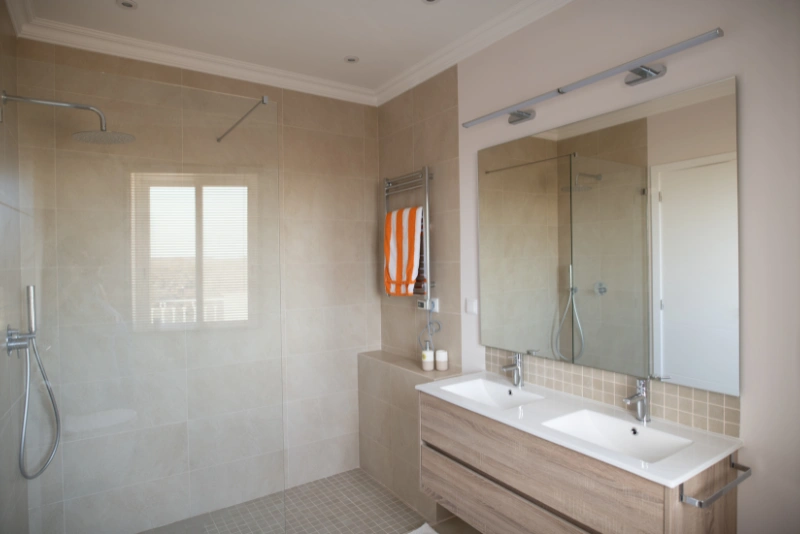
Yes. Dormer loft conversions commonly include en-suite bathrooms or shower rooms. The additional head height and floor space make this much easier than rooflight-only conversions. Plumbing routes need careful planning, especially in terraced homes, but in most cases, a bathroom can be included without major difficulty.

How long does a dormer loft conversion take?

Most dormer loft conversions take around 8 to 12 weeks once construction starts. Simpler rear dormers fall at the lower end of this range, while larger or more complex dormers may take longer. Planning and design occur before construction and are separate from the construction timeframe.