Dormer lofts open up design options that simply aren’t possible with rooflight only conversions. The ideas below focus on how homeowners use dormer space in real homes, whether the goal is to make a compact loft work harder or to create a more generous, flexible layout.

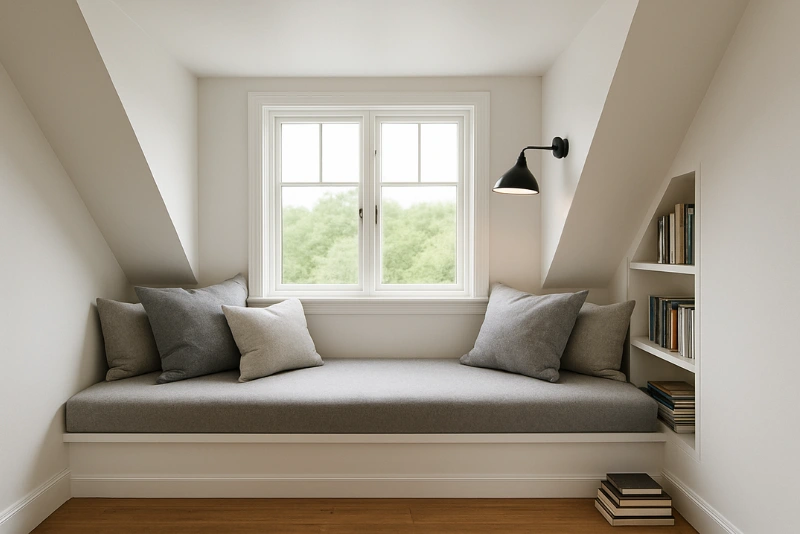
Create a peaceful hideaway with a built-in bench or daybed beneath your dormer window. Add plush cushions, a soft throw, and wall-mounted lights to make it feel like a mini retreat. It’s a great use of space under a smaller dormer, especially for relaxing, reading, or a quiet afternoon nap.
Check out some more of our beautiful designs on the LoftCompare Pinterest.
In smaller lofts, a dormer is less about size and more about usability. Even a modest dormer can turn an awkward corner of the loft into space you can actually stand, move, and place furniture in comfortably.
Small dormers work best when they are used to support a single, clear function. A reading nook, compact desk, or neatly planned bedroom area often benefits more from improved head height and light than from extra floor area alone. When planned carefully, a small dormer can make the entire loft feel more practical without overwhelming the roof.

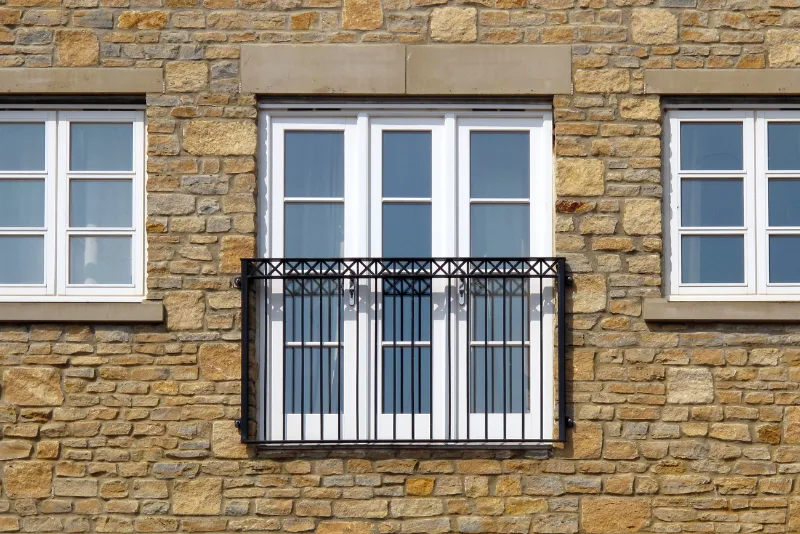
Add glazed double doors and a Juliet balcony to bring the outdoors in. This setup floods your loft with natural light and creates a real sense of height. It’s a standout feature in any dormer bedroom or lounge space, especially with floor-to-ceiling glass and minimalist railings. Use sheer curtains or blinds for privacy without blocking the view.
Rear dormers let you design the loft around how you want to live, not the roof shape. Full-height rear walls simplify layouts, making it easier to create comfortable bedrooms, en-suites, and practical storage without awkward compromises.
Because the dormer sits at the back of the house, design decisions can focus on internal comfort and flow rather than street-facing appearance, which is why rear dormers remain one of the most flexible loft options.
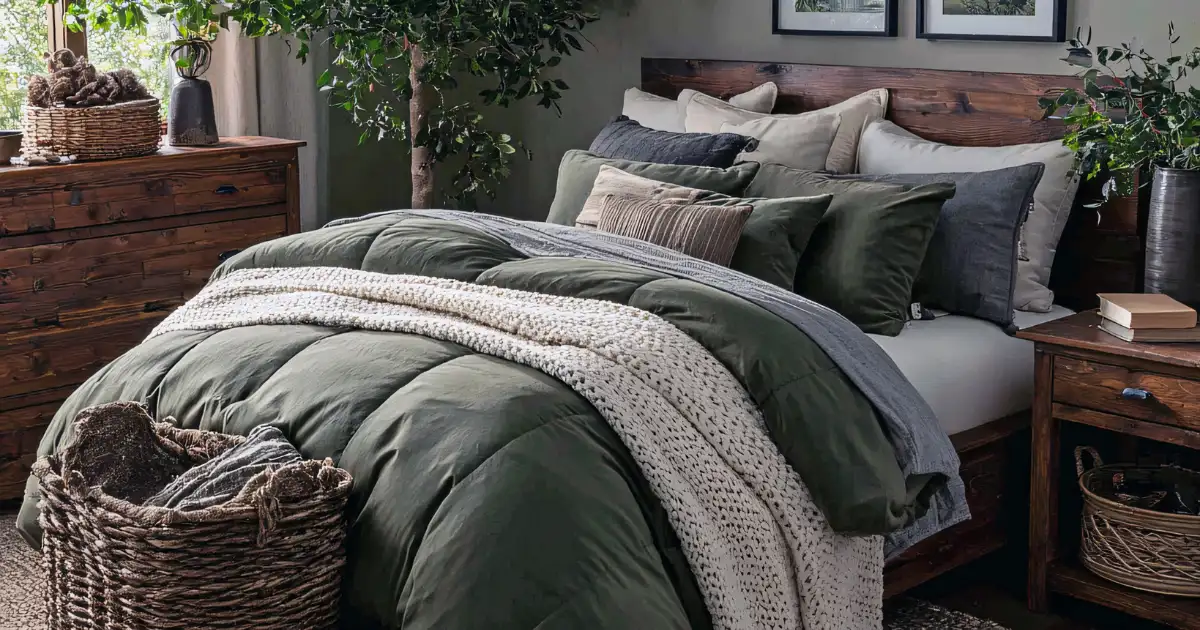
Dormer loft bedrooms work because they remove the usual compromises of loft living. Extra head height, better light, and clearer wall lines make it easier to fit a proper bed, storage, and circulation without working around sloping ceilings.

Add two matching dormers to flood your loft bedroom with natural light and create a sense of balance. This setup is ideal for a master suite, giving you room for a king-size bed, wardrobes, and bedside storage, all without fighting the roof slope. Dual dormers also create symmetry on the outside, which can boost your home’s kerb appeal.

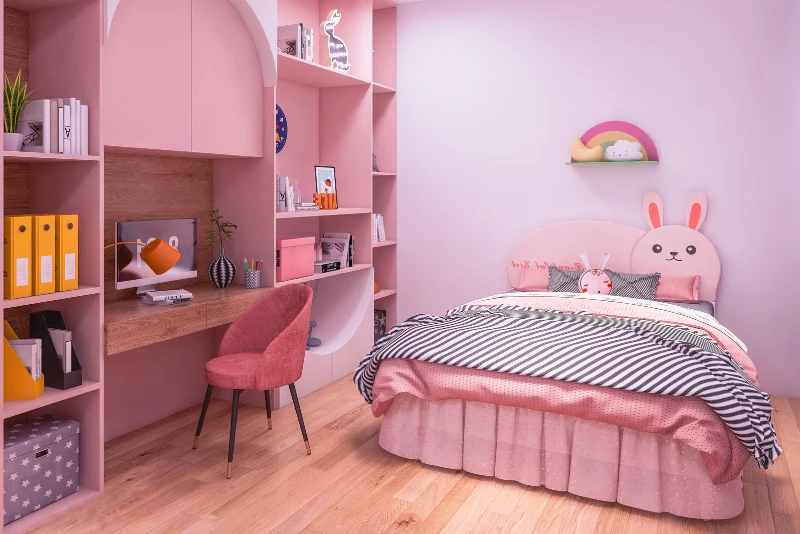
Design a fun and functional space for kids with low-level beds, built-in storage, and cosy corners. A dormer adds crucial headroom for bunk beds or a reading nook, while toy storage can be hidden under benches or inside angled cupboards.
Bright colours, chalkboard walls, and skylights keep the room cheerful and clutter-free. Usually reasonably cost effective, and a great use of space. Check out our expert guide to find out more on dormer loft conversion costs.

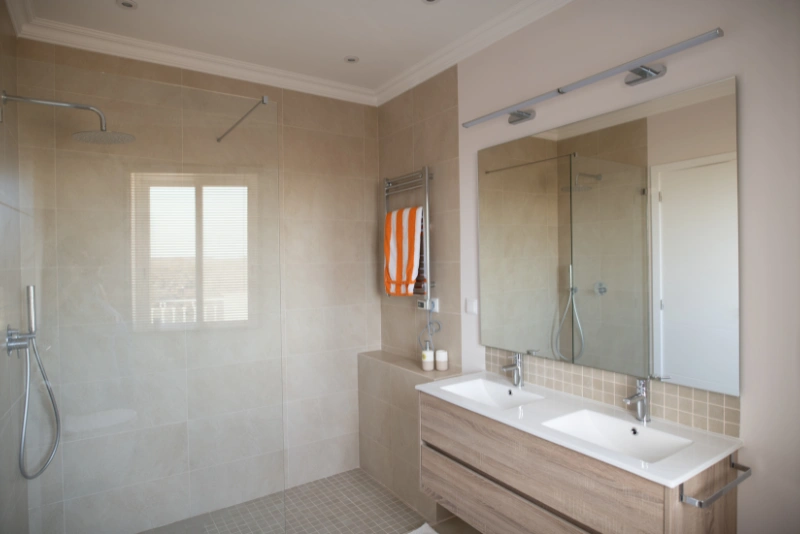
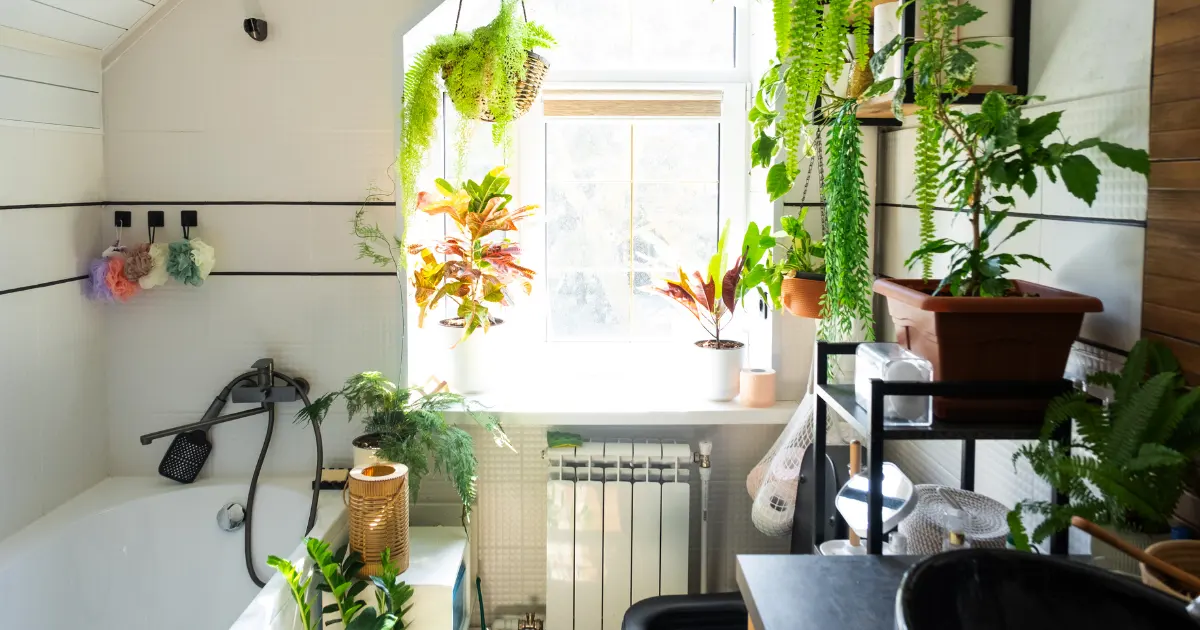
A rear-facing dormer is the ideal spot for a slimline en‑suite. You can fit a walk-in shower under the raised ceiling while keeping the toilet and basin aligned on one wall to save space. Use built-in shelving between joists and mirrored cabinets to boost storage without clutter. Natural light from a rear window keeps the room bright, even with a compact footprint.
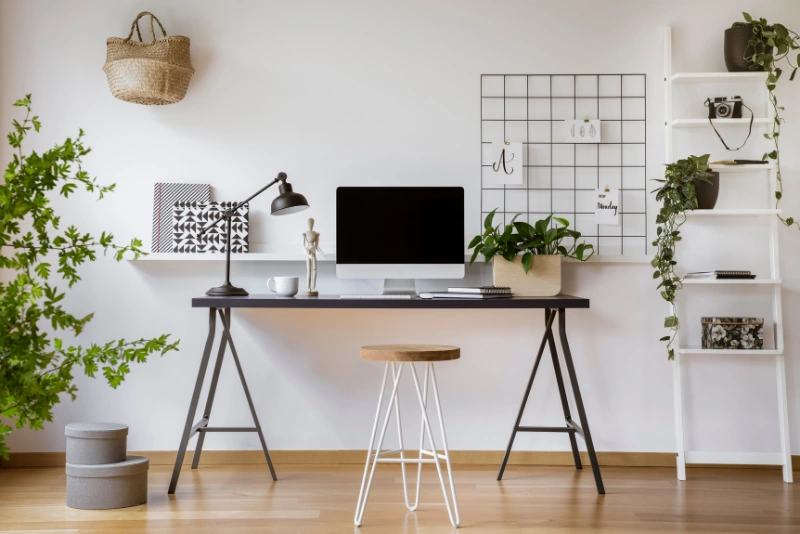
A dormer loft can create a calm, practical workspace that feels separate from the rest of the house. The extra head height and straight walls make it easier to plan a proper desk setup, storage, and lighting without compromising comfort.

Turn a quiet corner of your loft into a calm, focused workspace. A side dormer provides ample headroom for a office loft conversion with space for desk and shelves, keeping the room tucked away from household noise. Sloped ceilings add character, and you can make the most of the angles with custom loft storage or a built-in reading seat. Ideal for remote work, study, or creative projects.
Positioning a desk within the dormer opening allows natural light to fall directly across the workspace, making the room feel brighter and easier to work in throughout the day. Built-in desks and storage use the full width of the dormer, keeping the layout tidy and avoiding bulky furniture.
This setup works particularly well in narrower lofts, where a defined workstation helps the space feel purposeful without dominating the room.
Where the loft is used as a bedroom and workspace, a dormer can help create a clear divide between the two. By placing the office within the dormer area and keeping the sleeping space further back under the roof slope, work feels contained rather than spread across the room.
This separation makes it easier to switch off at the end of the day and keeps the loft feeling balanced, especially in homes where the loft serves multiple functions.
Modern dormer lofts focus on simplicity, light and space that feels effortless to live in. Clean lines, uncluttered layouts and subtle detailing help the conversion feel like a natural extension of the home rather than an obvious add-on.

A large dormer loft conversion can create a fully self-contained studio. Add a compact kitchenette along one wall, with space for a sofa or dining area under the sloped roof. This layout is perfect for hosting guests, older children, or even generating rental income. Use light colours and open shelving to keep the space feeling airy.
A clean-lined rear dormer keeps everything understated. Flush finishes, simple window proportions and minimal external detailing allow the dormer to blend into the roof rather than compete with it. From inside, the benefit is immediate: straight walls, consistent ceiling height and a calm, open feel that works well for bedrooms or home offices.
This approach suits homeowners who want maximum space without drawing attention to the conversion. It’s particularly effective on terraced and semi-detached homes where discretion and planning sensitivity matter.
Modern dormer layouts often work best when walls are kept to a minimum. By using the extra head height to open up the space, the loft feels brighter, wider and easier to move through, even in homes with narrower roof widths.
Storage is usually built in rather than added later, keeping sightlines clear and the room feeling calm. The result is a loft that feels purposeful and grown-up, whether it’s used as a bedroom, workspace or quiet retreat away from the rest of the house.
A double dormer loft conversion is about space that feels intentional rather than squeezed in. By extending across more of the roof, it removes the usual compromises of loft living and creates rooms that feel balanced.
These ideas show how double dormers are often used to create some of the most comfortable and desirable loft spaces in a home.

A double dormer gives you the freedom to design an en-suite that feels like part of the bedroom rather than an afterthought. With proper head height across the room, there’s space for a full shower, generous vanity units, and even a bath without awkward slopes cutting into the layout.
This setup works especially well if you want a hotel-style feel at the top of the house. The bedroom remains uncluttered, while the en-suite sits naturally alongside it, benefiting from light, ventilation and a layout that simply works day to day.
One of the biggest advantages of a double dormer is the ability to use the full width of the house. Instead of working around narrow zones and sloped ceilings, the bedroom stretches wall to wall, giving you flexibility in how you arrange the space.
This makes it ideal for a true master bedroom, with room for a king-size bed, fitted wardrobes, and clear walkways that don’t feel tight or compromised. The result is a loft room that feels closer to a proper upper floor than a converted roof space.

For homeowners who care about both how the space feels inside and how the house looks from the outside, a symmetrical double dormer can be a strong choice. Matching dormers balance the roofline and evenly position windows, filling the room with natural light from both sides.
Inside, this symmetry creates a calm, well-proportioned bedroom that’s easy to furnish and visually pleasing. Outside, the balanced design can help the conversion sit more comfortably within the existing roof, which is often appreciated on period and semi-detached homes.
Ready to make it happen?
Every loft is different, but with the right dormer design, you can add real space, light, and value. Whether you’re planning a peaceful bedroom, a smart home office, or a loft studio, your perfect layout starts with a great idea.
Seen something that fits your space? Use our loft conversion calculator and get quotes from trusted specialists.