What is a Victorian terrace house loft conversion?

A Victorian terrace house loft conversion involves converting the roof space of a Victorian-era terraced property, typically built between 1837 and 1901, into usable living space. These homes are common across cities and well suited to loft conversions

Victorian terrace houses usually share several features that directly affect how a loft conversion is designed and built:

  • Steep pitched roofs, which often provide good head height for habitable rooms
  • Rear outrigger extensions, creating opportunities for L-shaped dormer loft conversions
  • Solid brick walls, which influence structural design and insulation upgrades
  • Party walls on both sides, requiring careful consideration of load transfer and Party Wall matters

These characteristics make Victorian terraces some of the most popular homes for loft conversions, but they also mean accurate volume calculations, roof design, and planning compliance are essential from the outset.

Are Victorian houses suitable for loft conversions?

In most cases, yes. Victorian houses are among the best property types for loft conversions in the UK. Their original roof design, generous proportions and common rear layouts often allow meaningful space to be created without major structural compromise.

Victorian properties are particularly suitable when they fall into the following categories:

  • Mid-terrace houses, which typically have consistent roof heights and are ideal for rear or L-shaped dormer conversions.
  • End-terrace houses, which often provide greater design flexibility and easier construction access.
  • Semi-detached Victorian homes, where roof alterations may be less visually constrained than on terraces.

In some situations, a Victorian house may be less suitable for a loft conversion. Properties with low ridge heights may struggle to provide sufficient headroom, while homes that have undergone significant roof alterations or loft conversions may have limited remaining permitted development allowances.

Structural issues can also arise, particularly where original joists are undersized or the roof structure needs strengthening to meet current building regulations.

Victorian terrace house loft conversion ideas

Victorian terraces are well-suited to loft conversions, with several designs that integrate naturally with their roof shapes and rear layouts. The right option depends on how much space you need, how visible the changes will be, and whether you plan to rely on permitted development or apply for planning permission.

Rear dormer loft conversions

Rear dormer loft conversions

Rear dormer loft conversions are the most common solution for Victorian terraces. They extend from the rear roof slope, providing usable headroom without altering the property's street-facing appearance.

This type of conversion is often used to create a generous bedroom with an en suite, making it a practical upgrade that balances space, cost, and planning risk.

Things for you to consider:

  • The dormer must be well-proportioned and kept subordinate to the original roof
  • Materials should closely match the existing roof covering
  • Headroom and layout are still influenced by the original roof pitch

For many Victorian terrace owners, a rear dormer offers the best all-round option. It delivers meaningful space while keeping external changes discreet and is often easier to justify to planners than more extensive roof alterations.

L-shaped dormer loft conversions

L-Shaped dormer for victorian terraces

This is one of the more popular types of loft conversion for Victorian properties. L-shaped dormer conversions are particularly associated with Victorian terraces because many have a rear outrigger. By extending over both the main rear roof and the outrigger, this design creates a much larger, more flexible loft space.

The additional floor area often allows for two bedrooms and a bathroom, or a large master suite with storage, making it one of the most effective ways to maximise space in a period terrace.

Things for you to consider:

  • The size and visibility of the dormer increase planning scrutiny
  • Build costs are higher than a standard rear dormer
  • Careful design is needed to avoid an over-dominant roof extension

Mansard loft conversions on Victorian houses

Mansard on victorian houses

Mansard loft conversions involve replacing the rear roof slope with a near-vertical wall and a flat roof. They are common on Victorian terraces in London, where maximising internal space is often the priority.

This type of conversion effectively creates a new storey, with full-height rooms and a layout that feels more like a traditional upper floor than a loft.

Things for you to consider:

  • Full planning permission is almost always required
  • Costs are higher than dormer or rooflight conversions
  • Design and approval stages tend to take longer

Velux conversions in Victorian homes

Velux or rooflight loft conversions are the least disruptive option for Victorian houses. They retain the original roof shape and rely on existing head height, adding light rather than extending the roof.

This approach works well where the loft already has good proportions and the goal is a simple bedroom, office or storage space.

Things for you to consider:

  • Limited improvement to usable floor space
  • Not suitable where the ridge height is low
  • Layout options are more restricted

Get a specialist loft conversion quote instantly

Discover how much loft conversion wardrobes cost and compare quotes from trusted specialists

Get An Instant Quote

How much does a Victorian loft conversion cost?

The cost of a Victorian loft conversion depends largely on the type of conversion, the property size, and the extent of structural work required.

Victorian homes are well-suited to loft conversions, but they often involve additional considerations, such as party walls, older roof structures, and tighter planning controls, all of which can affect the final price. Most Victorian loft conversions fall within the ranges below.

Loft conversion type Typical cost range (UK)
Rear dormer £45,000 – £60,000
L-shaped dormer £55,000 – £75,000
Mansard loft conversion £65,000 – £90,000+

Planning permission for Victorian loft conversions

Many Victorian loft conversions can be built under permitted development, meaning you may not need full planning permission.

This is often the case for rear dormer and rooflight-only conversions, where the work stays within volume limits and does not alter the front roof slope facing the street.
That said, exceptions are common with Victorian properties.

Their age, location and architectural character mean planning rules are applied more carefully, especially where roof changes could affect the appearance of the street or surrounding area. It is very common for Victorian streets to sit within conservation areas, where permitted development rights are reduced or removed entirely.

Some types of conversion also trigger planning permission almost automatically. Mansard loft conversions, for example, involve a major change to the roof shape and typically require full planning permission, particularly on terraced Victorian houses.

Before assuming permitted development applies, it’s important to check the specific restrictions affecting your home. Planning permission is more likely to be required if:

  • Your property is in a conservation area, which is common for Victorian terraces
  • An Article 4 Direction is in place, removing permitted development rights
  • The conversion alters the front roof slope, which is visible from the street
  • You are planning a mansard loft conversion or raising the roof height
  • Previous extensions or loft works have already used up permitted development allowances

For many homeowners, confirming planning requirements early removes much of the uncertainty. A quick check with your local authority, or by applying for a Certificate of Lawfulness, can help determine whether your Victorian loft conversion can proceed without delay or additional risk.

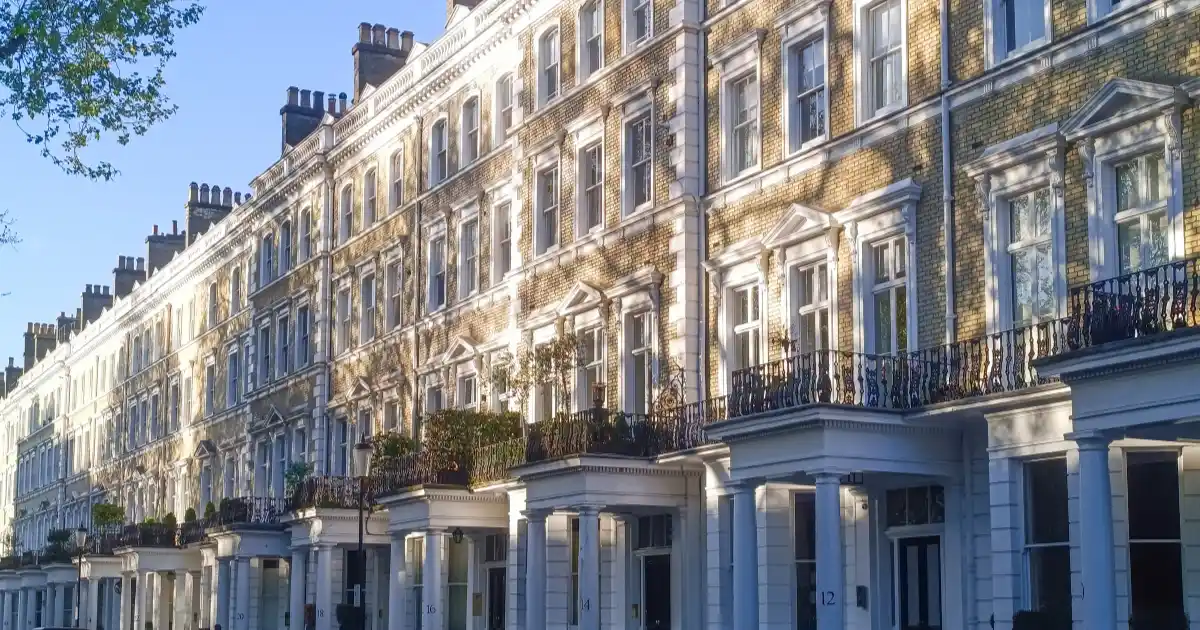
Sunlit row of Victorian terraced houses with white stone and yellow brick façades.

Building regulations and party wall considerations

Even where planning permission is not required, all Victorian loft conversions must meet current Building Regulations. These focus on safety, structural strength and energy efficiency, which is especially important in older homes that were not designed to support habitable loft space.

Victorian properties often need targeted upgrades, such as strengthening floor structures, improving fire safety and increasing insulation levels. Most Victorian terraces share walls and roof structures, the Party Wall Agreement is also commonly involved.

Key areas to plan for include:

  • Structural safety: Floor joists in Victorian homes are often undersized and typically require strengthening. Steel beams are commonly installed to support the new floor and roof structure.
  • Fire safety and escape routes: Building Regulations require a safe escape route from the loft to an external door. This often means upgrading doors to fire-rated versions, installing mains-wired smoke alarms on each level, and ensuring the staircase layout meets current standards.
  • Thermal insulation: Older roofs often fail to meet modern insulation standards. Loft conversions typically include new insulation to the roof slopes, party walls and floor, improving energy efficiency and comfort throughout the house.
  • Party Wall Act requirements: Most Victorian terraces and semi-detached properties share party walls with neighbours. If your conversion involves cutting into shared walls, inserting steel beams or altering the roof structure, you will usually need to serve a Party Wall Notice and follow the correct legal process.

Victorian loft conversion FAQs

Victorian loft conversions raise some very specific questions, from planning rules and build times to costs and layout challenges. These answers address the most common questions homeowners have when considering a loft conversion in a Victorian terrace or period home, helping you plan with confidence.

Can you do a loft conversion in a Victorian terrace?

Yes, in most cases you can. Victorian terraces are some of the most suitable homes for loft conversions, thanks to their steep roof pitches and predictable layouts. Rear dormer and L-shaped dormer conversions are especially common.

Suitability ultimately depends on roof height, previous alterations and planning restrictions, but structurally, Victorian terraces are usually a strong starting point.

Why do Victorian loft conversions cost more?

Victorian properties can sit at the higher end of loft conversion pricing for several reasons:

  • Structural upgrades are often needed to strengthen floor joists or roof timbers that were not designed for habitable rooms
  • Party wall works are common on terraced and semi-detached Victorian homes, adding surveyor fees and coordination costs
  • Planning constraints can be stricter, particularly in conservation areas or on street-facing roof slopes
  • Complex layouts, such as rear outriggers, increase design and build time but also unlock more usable space

While costs can be higher than for newer homes, Victorian loft conversions often deliver excellent value due to the generous additional space and strong buyer demand. For a deeper breakdown, review our detailed guide on loft conversion costs for the right approach.

How long does a Victorian loft conversion take?

Most Victorian loft conversions take around 8 to 12 weeks from the start of construction. Simpler Velux or rear dormer conversions sit at the shorter end of this range, while L-shaped dormers or mansards can take longer. Planning, design and approvals happen before the build and can add several weeks or months to the overall timeline.

Are Victorian houses good for L-shaped dormers?

Yes. Victorian houses are particularly well suited to L-shaped dormer conversions because many have a rear outrigger that allows the dormer to extend in two directions. This design can create a large, practical floor plan with space for a bedroom, en suite and storage, making it one of the most popular choices for Victorian terraces.

Does a Victorian loft conversion add value?

A well-designed loft conversion can add significant value to a Victorian home. In many areas, adding a usable bedroom and bathroom in the loft increases value by around 15 to 25 percent, depending on location and finish. Victorian properties often benefit strongly because buyers value period homes with modern, well-integrated living spaces.

Do Victorian loft conversions need planning permission?

Many Victorian loft conversions fall under permitted development, particularly rear dormers and rooflight-only designs. However, exceptions are common. Victorian streets are often in conservation areas, and mansard conversions almost always need planning permission. Article 4 Directions and previous extensions can also remove permitted development rights, so checks are essential.

What are the core challenges when adding a loft conversion to a Victorian terrace?

Common challenges include strengthening existing floor joists, meeting fire safety requirements, managing party wall agreements with neighbours, and working within tighter planning controls. Roof height and previous alterations can also limit design options. These issues are manageable, but they need to be addressed early to avoid delays or extra costs.

Are Victorian lofts more expensive to convert?

They can be. Victorian loft conversions sometimes cost more due to structural upgrades, party wall work and planning constraints, particularly in conservation areas. That said, the roof shape often allows efficient use of space, which can offset some costs. Compared with less suitable property types, Victorian homes still offer good overall value for loft conversions.

Can you add an en suite in a Victorian loft?

Yes, adding an en suite is very common in Victorian loft conversions. Rear and L-shaped dormer designs provide sufficient space for a bathroom alongside a bedroom. Plumbing routes may require careful planning, especially on terraces, but in most cases, an en suite can be included without major difficulty.