What is building control?

Building control is the process that ensures construction work complies with the UK’s Building Regulations. These regulations set minimum standards for structural stability, fire safety, insulation and overall performance.

It is separate from planning permission. Planning considers how a development affects the external appearance and the surrounding area. Building control focuses on whether the work is constructed safely and correctly.

For a loft conversion, building control covers structural alterations, fire protection, insulation, ventilation and electrical safety. Approval is overseen either by your local authority building control team or by a registered approved inspector.

Many homeowners assume that planning approval covers this stage, but it does not. Building control is a separate legal compliance process that must be satisfied before work can be signed off.

Building control. Construction supervisor in a reflective vest holding a yellow hard hat and writing on a clipboard near a building site.

Do you need building control for a loft conversion?

Yes. All loft conversions require building regulations approval, even if planning permission is not needed. A loft conversion involves structural alteration, changes to fire protection and upgrades to insulation and access.

These automatically trigger compliance with the Building Regulations. Even small loft enlargements must be approved. Building control applies because a typical loft conversion includes:

  • Structural beams supporting the new floor
  • Alterations to the existing roof structure
  • A new staircase linking floors
  • Fire protection measures, such as fire doors and smoke alarms
  • Thermal insulation upgrades
  • Electrical and plumbing installations requiring certification

It is a common misunderstanding that permitted development removes the need for approval. It does not. Skipping building control rarely saves time and often creates problems when selling the property, as a completion certificate will be required.

What does building control check during a loft conversion?

Building control inspectors assess whether your loft conversion is safe, structurally sound and compliant with current standards. They are not reviewing the design preference; they are confirming that the construction meets legal requirements. During a loft conversion, inspectors typically review the following areas:

Structural integrity

Steel beams, new floor joists and roof alterations must match the approved structural calculations. The new floor must safely carry loads without affecting the existing structure below.

Fire safety

Converting a loft usually turns a two-storey house into a three-storey one. Inspectors assess escape routes, fire doors, smoke alarms and fire-resistant construction. This is why existing bedroom doors often need to be upgraded to fire-rated doors.

Staircase compliance

The staircase must meet standards for pitch, head height, width and guarding. This ensures safe and practical access between floors.

Staircase compliance

Insulation standards

Roof slopes, dormer walls and the new floor must meet current thermal performance requirements. Insulation is checked before plasterboard is fitted.

Sound insulation

Additional acoustic insulation is typically required between the new loft floor and the rooms below to reduce noise transfer.

Ventilation

Background ventilation and extract ventilation, especially in bathrooms, are assessed to prevent condensation and long-term moisture issues.

Electrical and plumbing certification

Electrical installations must be certified by a qualified electrician. Plumbing installations, particularly new bathrooms, must meet safety and drainage standards. The purpose of these checks is practical and ensure the loft is not just usable, but safe for long-term occupation.

How the building control process works

Building control follows a clear sequence from application through to final certification. Understanding the steps helps prevent delays during your loft conversion.

Stage What happens
An application is submitted Before work begins, either a Full Plans application or a Building Notice is submitted. A Full Plans application is assessed before construction starts, whereas a Building Notice is reviewed during the build. Your builder, architect or designer usually handles this on your behalf.
Structural calculations are provided Where steel beams or structural alterations are involved, structural calculations must be prepared by an engineer and submitted for review.
Work begins, and inspections are arranged Once approval is in place, work can start. Inspections are scheduled at key stages rather than monitored continuously.
Stage inspections take place The inspector visits at agreed points to review structural steel installation, floor construction, insulation and fire protection measures. Work must not be covered before inspection, as this is a common cause of delay.
Final inspection When the loft conversion is complete, a final inspection confirms overall compliance and checks that electrical and other certifications are in place.
Completion certificate is issued If the work meets the required standards, a completion certificate is provided. This document confirms legal compliance and will be required if you sell the property.

Most homeowners do not manage this process directly, but ultimate responsibility for compliance rests with the property owner.

Local authority vs approved inspector: what’s the difference?

There are two routes for building control approval in the UK: your local authority building control team or a registered private approved inspector. Both apply the same Building Regulations. The standards are identical.

  • Local authority building control: This is the council-run service. You submit your application to the local authority, and its building control surveyor conducts inspections. The council sets fees that vary by area.
  • Approved inspector: An approved inspector is a private company authorised to carry out the same regulatory function. They notify the local authority that they are handling the project, then conduct the required inspections themselves.

The process feels very similar. Both routes involve staged inspections and the issue of a final certificate. Costs may differ slightly, but the regulatory standards are identical. Most homeowners do not need to make a direct choice. Your builder or designer will often have a preferred route and will arrange approval as part of the project setup.

When do inspections happen during a loft conversion?

Building control inspections happen at key stages of the build. They are arranged in advance and must take place before certain elements are covered up. Inspection points include:

  • Structural stage: When steel beams and new floor joists are installed, the inspector checks that they match the approved structural calculations. This usually happens before the new floor is fully boarded.
  • Insulation stage: Roof, dormer, and acoustic floor insulation are inspected before plasterboard is fitted. If insulation is covered too early, sections may need to be opened up again.
  • Staircase and fire protection stage: The loft staircase, guarding, fire doors and smoke alarm layout are reviewed to confirm safe access and escape.
  • Final inspection: Once the project is complete, a final visit confirms overall compliance and checks that the required certification is in place.
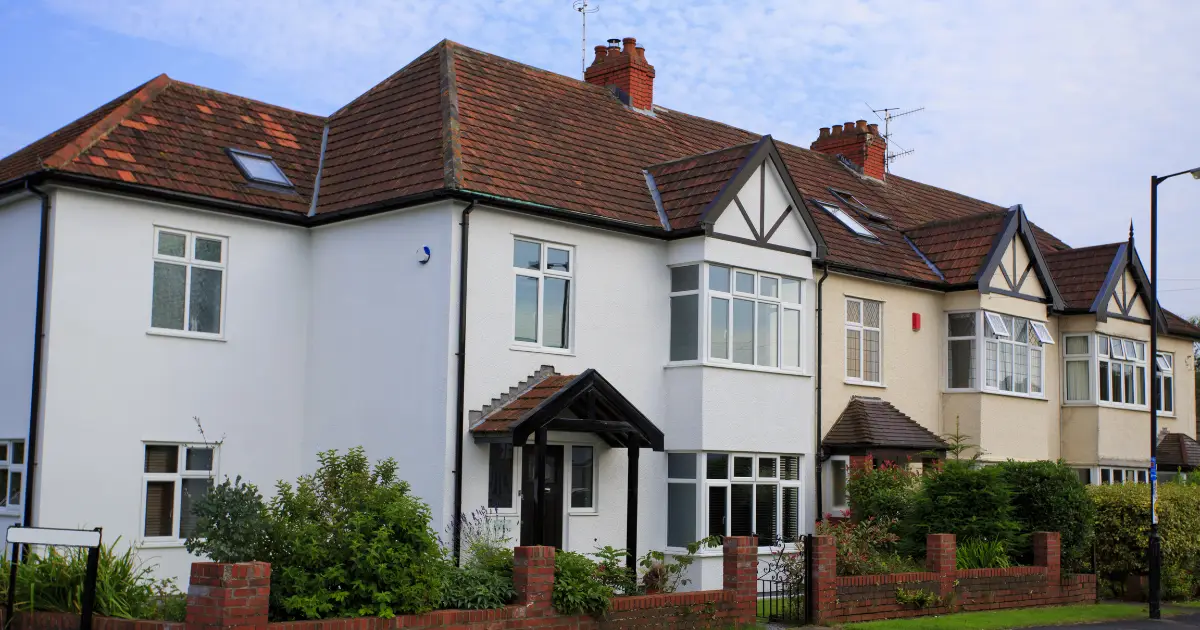
1930s exterior

Work must not be closed up before inspection. If so, sections may need to be reopened for approval, which can delay the project and increase costs.

Get a specialist loft conversion quote instantly

Discover how much loft conversions cost and compare quotes from trusted specialists

Get An Instant Quote

What happens if you skip building control approval?

Skipping building control approval is not a minor oversight. It can create legal and financial problems later.

If a loft conversion is carried out without approval, the local authority can issue an enforcement notice requiring an investigation or remedial work. While this is not common on older projects, it remains a legal risk.

The more immediate issue usually arises when selling the property. Solicitors will request a building control completion certificate. If one cannot be provided, buyers may:

  • Withdraw from the purchase
  • Request a price reduction
  • Ask for indemnity insurance
  • Require retrospective approval (known as regularisation)

Indemnity insurance does not confirm that the work is safe. It simply protects against enforcement action. Retrospective regularisation often involves opening up parts of the build for inspection, which can be disruptive and costly.

Mortgage lenders may also raise concerns where structural alterations lack certification. Building control exists to confirm that the work is safe and compliant. Skipping it rarely saves money in the long term and often creates avoidable complications.

Difference between building control and planning permission for loft conversions

Building control and planning permission are separate approval processes. One does not replace the other.

Planning permission considers how a loft conversion affects the property's external appearance and the surrounding area. It looks at visual impact, roof alterations and neighbourhood character.

Building control considers how the work is constructed. It ensures the loft conversion is structurally sound, fire-safe, properly insulated, and compliant with current Building Regulations.

It may be necessary to use both processes on the same project. Even if your loft conversion falls under permitted development and does not require planning permission, building control approval is still legally required.

Frequently asked questions about building control for loft conversions

These are the most common practical questions homeowners ask before starting a loft conversion. The answers below focus on how building control works in practice.

Who applies for building control?

Your builder, architect or loft specialist usually submits the application on your behalf. However, as the homeowner, you remain legally responsible for ensuring approval is in place. Always confirm that an application has been made before work begins.

How long does approval take?

Timescales vary significantly between councils and inspectors. A Full Plans application may take several weeks to assess before work begins. A Building Notice allows work to start sooner, with compliance reviewed during construction. Inspections are arranged at key stages rather than approved in a single step.

How much does building control cost?

Costs depend on location and project size. For a typical loft conversion, building control fees are often between £700 and £1,500. This usually covers plan assessment and staged inspections through to the completion certificate.

Can my builder handle building control applications?

Yes. Most experienced loft conversion builders manage the building control process as part of the project. They coordinate submissions, inspections and documentation. It is still sensible to ask how approval will be arranged before work starts.

Do I need a structural engineer?

In most loft conversions, yes. Structural alterations such as steel beams and new floor joists require calculations prepared by a qualified structural engineer. Building control reviews these before and during construction.