Loft conversions are complex structural projects that must comply with UK Building Regulations. Altering the roof structure, installing structural steel, adding a staircase or creating a habitable room all require proper design, inspection and approval from Building Control.
While homeowners may be able to complete some finishing tasks themselves, most loft conversions involve structural engineering, fire safety compliance and certified electrical or plumbing work. For this reason, full DIY loft conversions are uncommon and usually require professional design and oversight.
The information in this guide is provided for general educational purposes only. LoftCompare accepts no liability for any work carried out based on this guidance. Homeowners are responsible for ensuring that all work complies with Building Regulations and safety standards and should obtain professional advice before undertaking structural work.
A DIY loft conversion usually refers to a project where the homeowner carries out some of the work themselves rather than hiring a contractor to complete the entire build. In practice, fully DIY loft conversions are rare because the project involves structural alterations, safety requirements and formal Building Regulations approval.
When people search for a DIY loft conversion, they are often referring to one of three different approaches.
This would mean the homeowner designs, manages and builds the entire conversion themselves. In reality, this is uncommon because structural calculations, steel installation, fire safety requirements and building control inspections normally require professional involvement.
In this scenario, the homeowner manages the project but hires qualified tradespeople for specialist work. For example, a structural engineer may design the steel supports, electricians handle wiring, and builders install the staircase, while the homeowner organises the schedule and may complete finishing tasks.
This is the most common approach. A professional builder carries out the structural work and ensures compliance with Building Regulations, while the homeowner completes simpler tasks such as decorating, flooring or installing storage once the main structure is complete.
Loft conversions are structurally complex because they change how a house carries weight. New floor joists, roof alterations, staircases and fire safety upgrades all need to work safely with the existing building.
For this reason, most projects involve a combination of professional construction and limited DIY work.

Yes. It is legally possible to carry out some or all of a loft conversion yourself in the UK. However, the project must still comply with planning rules, Building Regulations and safety standards.
Even if homeowners manage or complete parts of the work themselves, the conversion must still be inspected and approved by Building Control before it can be considered compliant. Key legal requirements include:
Even if you complete some parts of the work yourself, these legal and safety requirements still apply. Building Control approval and the appropriate certification must be obtained before the conversion can be signed off as compliant.
While the structural work in a loft conversion is usually carried out by professionals, homeowners can often complete some of the finishing tasks themselves. What you can realistically do depends on your skill level, and whether the work still meets Building Control requirements, examples of tasks homeowners may be able to carry out include:
The level of DIY involvement varies by project. Structural work, fire safety elements and certified installations must still meet Building Regulations and may require inspection or professional sign-off.

While homeowners may be able to assist with finishing work, key parts of a loft conversion must be carried out by qualified professionals. These tasks involve structural safety, Building Regulations compliance and certified installations. Key areas that normally require professional involvement include:
Steel beams are typically required to support the new loft floor and any roof alterations. Incorrect installation can affect the structural stability of the house, so this work is normally carried out by experienced builders following a structural engineer’s design.
Loft conversions change how loads are distributed through the building. A structural engineer prepares calculations showing how new floor joists, steel beams and roof modifications will safely support the structure.
Many loft conversions require modifications to the existing roof, particularly when adding dormers or converting a hipped roof to a gable. These structural changes must be carefully designed to maintain the roof's stability.

Staircases must meet Building Regulations requirements for head height, pitch, width and safe access between floors. Poor positioning can also affect the layout of rooms below, so staircase placement is normally designed by professionals.
Electrical work must comply with Part P of the Building Regulations. A qualified electrician is typically required to install or certify wiring, lighting circuits, sockets and smoke alarm systems.
If a bathroom or heating system is added, pipework must connect safely to the existing plumbing system. Professional installation is usually required to ensure correct drainage, ventilation and water pressure.
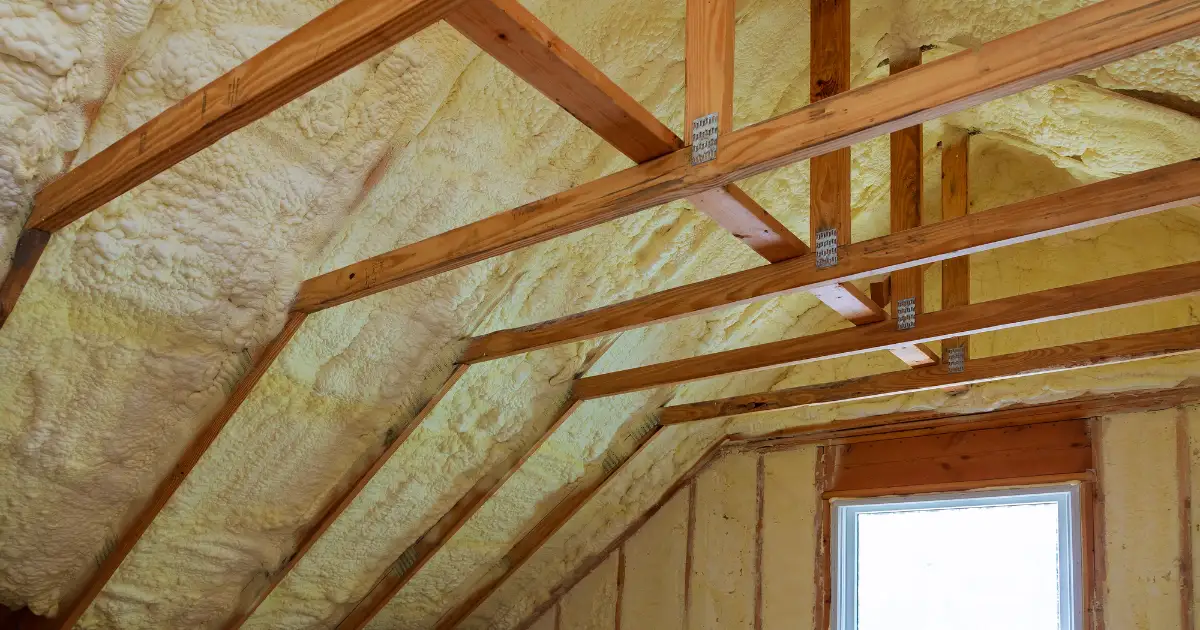
Loft conversions must meet the thermal performance standards under Building Regulations Part L. Correct insulation thickness and roof ventilation are essential to prevent heat loss and condensation.
Building Control surveyors inspect the project at key stages to confirm the work meets Building Regulations. A completion certificate is issued once the conversion has been inspected and approved.
Creating a new habitable floor changes the house's fire safety strategy with a new loft conversion. Loft conversions must include protected escape routes, smoke alarms and often upgraded fire doors to comply with Building Regulations.
Loft conversions are very different from most home improvement projects. Instead of changing finishes, they alter the building's structure and how weight is supported throughout the house. This is why loft conversions involve stricter regulations and professional design compared with standard DIY work.
Converting a loft requires a new structural floor capable of supporting furniture, people and internal walls. This usually involves installing new floor joists and steel beams to safely transfer loads through the existing house structure.
Many loft conversions involve altering the roof structure, particularly when adding dormers or extending a hipped roof. These changes must be carefully designed to maintain the roof's strength and stability.
Usable loft space depends on sufficient ridge height. Where headroom is limited, structural solutions such as lowering the ceiling below or modifying the roof structure may be required.
A staircase must safely connect the loft to the floor below while meeting Building Regulations on pitch, headroom, and access. Finding a compliant position without disrupting the existing layout can be challenging.
Creating a new habitable floor changes the house's fire safety strategy. Loft conversions must include protected escape routes, smoke alarms and sometimes upgraded fire doors to comply with Building Regulations.

Much of the work takes place at roof level, often involving scaffolding and partially exposed roof structures. This increases the safety risks compared with many indoor DIY projects. Because these factors affect the structure, safety and compliance of the building, loft conversions usually involve professional design, structural calculations and Building Control approval.
These are the most common questions homeowners ask when researching whether a loft conversion can be completed without hiring a full building team. The answers below explain what is realistically possible and what regulations still apply.
It is possible to complete some parts of a loft conversion yourself, but most projects still require professional involvement. Structural work such as installing steel beams, altering the roof structure and fitting the staircase normally requires a structural engineer’s design and experienced builders to carry out the installation.
Many homeowners instead choose a self-managed project, in which professionals handle the structural work while the homeowner handles finishing tasks or project coordination.
A DIY loft conversion can reduce labour costs for finishing tasks such as decorating, flooring or basic joinery. However, the highest costs in a loft conversion are usually structural steel, roof alterations, scaffolding and specialist trades required to meet Building Regulations.
Because these elements still require professional design and installation, the potential savings from DIY work are often limited.
Yes. Loft conversions that create habitable space or alter the roof structure must comply with Building Regulations.
These rules cover structural stability, fire safety, insulation, ventilation and safe access. Building Control inspections take place at key stages of the build, and a completion certificate is issued once the work meets the required standards.
Homeowners can sometimes install insulation themselves, particularly in simpler rooflight loft conversions where the roof structure is not heavily altered. However, the insulation must still meet Building Regulations requirements for thickness, ventilation and thermal performance. Building Control may inspect insulation before it is covered with plasterboard.
Not always. Many loft conversions fall under permitted development rights, meaning full planning permission is not required.
However, this depends on factors such as the size of the roof extension, whether the property is in a conservation area, and the type of conversion being built. Even when planning permission is not required, Building Regulations approval is still mandatory.